
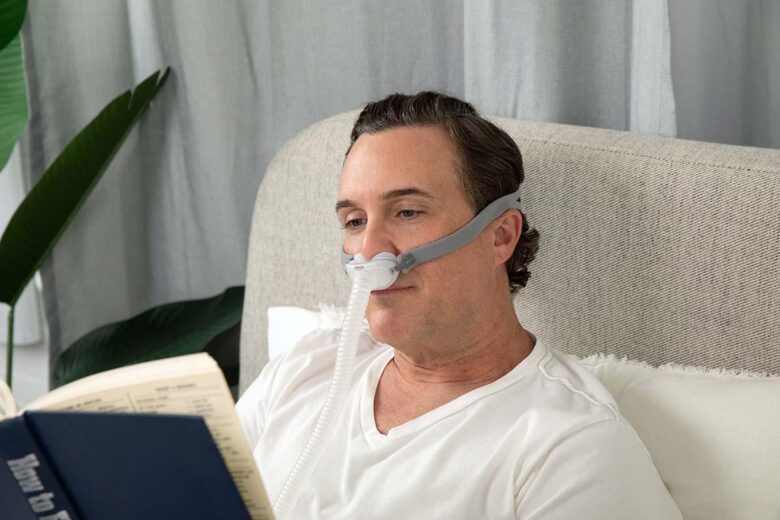
What Are Sleep Studies and Why Are They Conducted?
A sleep study is a test that monitors your body while you sleep to identify sleep disorders and breathing problems. Medical professionals use this overnight assessment to capture detailed information about what happens during your sleep cycles.
Polysomnography is the most accurate way to diagnose sleep disorders. This comprehensive test tracks multiple body systems at the same time, giving doctors the information they need to identify specific sleep-related issues.
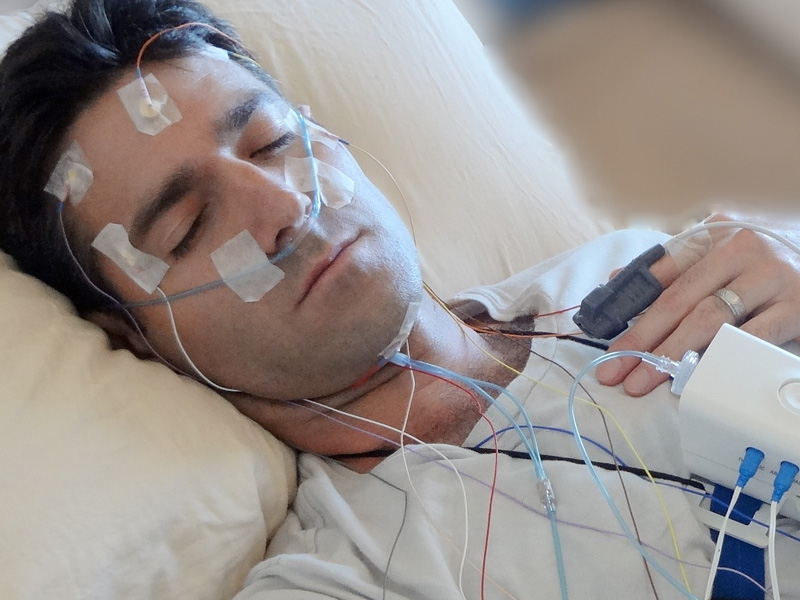
The purpose of a sleep study is to collect data about your body’s functions during sleep in order to find any irregularities in your sleep patterns. During the test, specialized sensors measure:
- Brain activity through electroencephalography (EEG) to track different stages of sleep
- Breathing patterns including airflow and how hard you’re breathing
- Heart rate and rhythm using electrocardiography (ECG)
- Blood oxygen levels to check for any drops while you sleep
- Leg movements that may indicate restless leg syndrome
- Body position throughout the night
These measurements work together to create a complete picture of your sleep health. Doctors analyze this data to diagnose conditions like sleep apnea, insomnia, narcolepsy, and periodic limb movement disorder.
The test is especially helpful when patients experience unexplained daytime tiredness, loud snoring, witnessed pauses in breathing, or difficulty staying asleep.
What Types of Sleep Studies Are Available in Sydney?
Sydney offers two main types of polysomnography: in-lab sleep study options and home-based sleep study alternatives. Both methods monitor your sleep patterns, but differ significantly in where and how the testing occurs.
1. In-Lab Sleep Studies
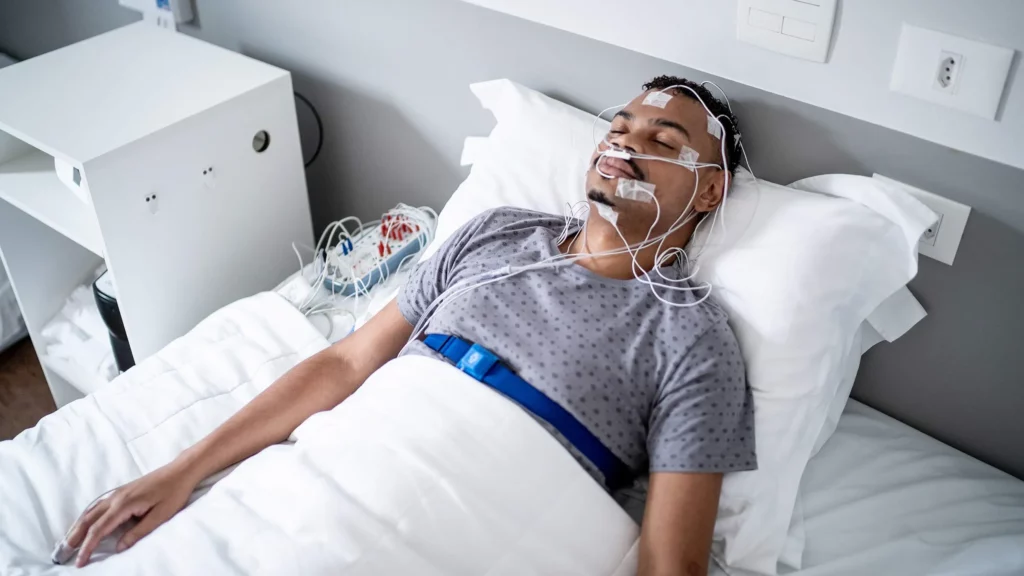
In-lab overnight studies require you to spend the night at a specialized sleep clinic. A trained technician attaches multiple sensors to your body during an evening admission. These sensors track:
- Brain wave activity through electroencephalography (EEG)
- Eye movements to identify sleep stages
- Muscle tension and leg movements
- Breathing patterns and airflow
- Blood oxygen levels
- Heart rate and rhythm
- Body position during sleep
The technician monitors your data throughout the night from a separate room, ensuring accurate recordings and addressing any technical issues immediately. You’re discharged the following morning after sensor removal, typically between 6-7 AM.
2. Home-Based Sleep Studies
Home-based sleep studies provide a more convenient alternative. You visit the clinic briefly where staff attach the monitoring equipment and provide detailed instructions. Considering the Sydney sleep study cost, many patients find this home option not only comfortable but also a cost-effective way to have their sleep monitored. You then sleep in your own bed while the device records your physiological data. The next day, you return the equipment to the clinic for analysis.
Key Differences Between In-Lab and Home Sleep Studies
The key differences between these methods extend beyond location:
| Aspect | In-Lab Study | Home Study |
| Monitoring scope | Comprehensive full polysomnography | Limited parameters (typically breathing and oxygen) |
| Staff supervision | Real-time technician oversight | No direct monitoring |
| Environment | Clinical setting | Your own bedroom |
| Data quality | Higher accuracy with immediate troubleshooting | Potential for technical issues overnight |
| Suitable for | Complex sleep disorders, severe symptoms | Suspected sleep apnea, simpler conditions |
When to Choose In-Lab or Home Sleep Studies
Home studies work best for straightforward cases where sleep apnea is the primary concern. In-lab studies become necessary when your symptoms suggest multiple sleep disorders, when home study results are inconclusive, or when your doctor needs comprehensive data about your sleep architecture and movements.
How Is a Sleep Study Booked and What Are the Referral Requirements?
Can you book a sleep study directly without a referral? No, you cannot book a sleep study in Sydney without first obtaining a referral from a medical professional. A sleep study referral Sydney must come from either your GP or a specialist before any clinic will accept your booking.
Why is a GP referral for sleep study mandatory? The referral requirement serves multiple purposes. It ensures a qualified medical professional has assessed your symptoms and determined that diagnostic testing is medically necessary. This assessment also helps Medicare process any rebate claims, as the referral validates the medical justification for the procedure.
Which medical professionals can provide a specialist referral? While GPs are the most common source for sleep study referrals, specialists can also issue them. These include:
- Respiratory physicians
- Ear, nose, and throat (ENT) specialists
- Cardiologists
- Neurologists
- Psychiatrists treating sleep-related conditions
What information does the referral need to include? A valid referral must contain:
- Your full name and date of birth
- The referring doctor’s details and signature
- A description of your symptoms or sleep concerns
- The specific type of sleep study requested (if known)
- The date of issue (referrals typically remain valid for 12 months)
How long does the booking process take? Once you have your referral, the booking timeline varies by provider and demand. Most clinics require you to contact them directly to schedule an appointment. Wait times can range from a few days to several weeks, depending on the facility’s availability and whether you’re booking an in-lab or home-based study.
What happens during the initial booking call? When you contact a sleep clinic with your referral, the administrative team will:
- Verify your referral details
- Discuss available appointment dates
- Explain the cost structure and payment options
- Confirm your eligibility for Medicare rebates or private health insurance coverage
- Provide pre-study instructions
Does the referral expire? Yes, most referrals remain valid for 12 months from the date of issue. If your referral expires before you complete the study, you’ll need to obtain a new one from
What Factors Influence the Cost of a Sleep Study in Sydney?
The cost of a sleep study in Sydney is influenced by several factors that contribute to the overall expense. These factors include:
- Initial Consultation Fees: This fee typically ranges from $150 to $300 and is charged for the initial consultation before the sleep study.
- Type of Study Selected: The specific type of sleep study you choose will also impact the cost.
- Facility Charges: If the sleep study is conducted in a medical facility or clinic, there will be additional charges for using their space and equipment.
- Specialist Reporting Fees: After the sleep study, a specialist will analyze the results and provide an interpretation report, which may incur additional fees.
In-Lab vs. Home-Based Testing
The choice between in-lab and home-based testing plays a significant role in determining the cost of sleep studies. Here’s how each option affects the expenses:
- In-Lab Polysomnography: This type of study requires dedicated clinic space, overnight staff monitoring, and specialized equipment, resulting in higher fees.
- Home Studies: On the other hand, home studies eliminate facility and staffing costs, making them more economical while still providing diagnostic value for certain conditions.
Hospital Fees
If your sleep study takes place in an accredited medical facility rather than a standalone sleep clinic, hospital fees will apply. These charges cover:
- Room accommodation for overnight stays
- Use of hospital-grade monitoring equipment
- Access to medical staff throughout the night
- Emergency medical support if complications arise
Reporting Fees
Reporting fees represent the time spent by the specialist analyzing your recorded data and preparing a comprehensive diagnostic report. Sleep physicians invest significant time reviewing hours of physiological recordings, identifying abnormalities, and formulating treatment recommendations.
Provider Pricing Variations
There are variations in pricing among different sleep study providers in Sydney due to various factors such as business models and overhead costs. Here are some examples:
- Private sleep clinics located in premium areas tend to charge higher rates compared to suburban facilities.
- Academic medical centers affiliated with teaching hospitals may have different pricing structures than independent practices.
- Some providers bundle consultation and study fees together, while others itemize each component separately.
Influence of Specialist’s Experience Level
The pricing of sleep studies can also be influenced by the experience level and qualifications of the specialist conducting them. Generally, sleep physicians with additional subspecialty training or research credentials command higher consultation fees.
Clinics that offer advanced diagnostic technology or specialized pediatric sleep services may also reflect these capabilities in their pricing structure.
How Much Does an In-Lab Sleep Study Typically Cost in Sydney?
In-lab sleep study costs in Sydney generally range from $800 to $2,500 for a complete overnight polysomnography session. The price includes sensor attachment, continuous monitoring by trained technicians throughout the night, and the use of specialized clinic facilities.
Private sleep clinics typically charge between $1,200 and $1,800 for standard overnight studies. Hospital-based facilities may have higher fees, particularly at major teaching hospitals where the in-lab sleep study cost Sydney patients encounter can reach the upper end of the spectrum. The variation depends on the facility’s accreditation status, equipment sophistication, and staffing levels.
What’s included in the base overnight clinic study price:
- Initial consultation and assessment before the study
- Sensor and electrode placement by qualified sleep technicians
- Real-time monitoring throughout the sleep period
- Private or semi-private room accommodation
- Basic amenities during the overnight stay
- Data collection and preliminary analysis
- Comprehensive report preparation for the referring physician
Accredited facilities offering no-gap arrangements for privately insured patients may structure their fees differently. These clinics coordinate directly with health funds to minimize or eliminate out-of-pocket expenses for eligible patients.
Additional costs that may apply:
Hospital-based studies conducted at facilities like St Luke’s Hospital or Sydney Children’s Hospital may include separate facility fees ranging from $200 to $600. These charges cover the use of hospital infrastructure, nursing support, and administrative processing.
Specialized testing requirements add to the standard fee structure. Multiple sleep latency tests (MSLT) or maintenance of wakefulness tests (MWT) performed the day following overnight polysomnography can increase total costs by $400 to $800. Split-night studies, where treatment is initiated during the same session as diagnosis, may also carry premium pricing.
Some clinics charge separate reporting fees between $150 and $300 when detailed analysis by sleep physicians is required. Urgent reporting requests for suspected severe conditions typically incur expedited processing fees of $100 to $200.
What Is the Cost Structure for Home-Based Sleep Studies?
Home-based sleep studies in Sydney typically cost around $420 for the complete service. This fee covers the initial clinic appointment where sensors are fitted, the take-home equipment, and the subsequent analysis of your sleep data once you return the device.
The home-based sleep study cost Sydney structure differs significantly from in-lab options because you’re not paying for overnight facility accommodation or continuous technician monitoring. You attend a brief clinic visit where staff attach the monitoring equipment, then sleep in your own bed while the device records your physiological data throughout the night.
Medicare Rebate Home Sleep Study Benefits
Medicare provides a substantial rebate of approximately $324.70 for eligible patients with a valid referral from their GP or specialist. This rebate can be claimed once per calendar year per patient, reducing your out-of-pocket expense to roughly $95.30.
To qualify for the Medicare rebate home sleep study benefit, you must:
- Hold a current Medicare card
- Present a referral from a registered medical practitioner
- Meet the clinical criteria for sleep disorder investigation
- Not have claimed this specific rebate within the past 12 months
Equipment Return Process
The equipment return process is straightforward and built into the service timeline. After your night of monitoring at home, you return the device to the clinic the following day during business hours. Most providers offer flexible drop-off windows between 8:00 AM and 5:00 PM to accommodate work schedules.
The clinic staff will check the equipment upon return to ensure adequate data was captured. If technical issues prevented proper recording, you may need to repeat the study at no additional charge. Once the device is returned, sleep specialists begin analyzing your data, with results typically forwarded to your referring doctor within 10-14 days.
Some clinics offer courier return options for patients who cannot physically return to the facility, though this may incur an additional fee of $20-$40 depending on your location within Sydney.
Are There Any Rebate or Insurance Options to Offset Sleep Study Costs?
Yes, there are several rebate and insurance options available to help reduce your out-of-pocket expenses for sleep studies in Sydney.
Medicare Rebate Sleep Study Eligibility
The Medicare rebate sleep study benefit applies to both in-lab and home-based sleep studies when you have a proper medical referral. For home-based studies, the rebate amount is approximately $324.70 per calendar year per patient. In-lab polysomnography studies may attract different Medicare item numbers with varying rebate amounts. You must present your Medicare card at the time of booking to claim these benefits.
The rebate applies once annually for home studies, meaning if you require repeat testing within the same year, you’ll need to cover the full cost yourself. Your referring doctor determines medical necessity, which forms the basis of Medicare eligibility.
Private Health Insurance Coverage
Private health insurance plans with hospital cover often include sleep studies as part of their benefits. The level of coverage depends on your specific policy tier and whether the facility holds accreditation with your insurer. Premium hospital policies typically offer more comprehensive coverage than basic or bronze-level plans.
Key considerations for insurance claims:
- Contact your insurer before booking to verify coverage levels
- Confirm whether your chosen clinic is a recognized provider
- Ask about waiting periods if you recently upgraded your policy
- Request an estimate of your gap payment in advance
No-Gap Policy Sydney Options
Several accredited facilities in Sydney offer no-gap policy arrangements for privately insured patients. St Luke’s Hospital and Sydney Children’s Hospital participate in these programs, allowing eligible patients to undergo sleep studies without paying the difference between the total cost and insurance benefit.
No-gap arrangements typically require:
- An appropriate level of private hospital cover
- Attendance at an accredited facility
- Pre-approval from your insurance provider
- Valid referral documentation
Not all sleep study providers participate in no-gap schemes. Some clinics maintain agreements with specific insurers only, so verification before booking prevents unexpected costs.
Bulk Billing Eligibility
Bulk billing options exist for certain patients,
What Should Patients Expect When Preparing for a Sleep Study?
Preparing for a sleep study in Sydney requires minimal lifestyle changes, with the primary goal being to replicate your typical sleep environment as closely as possible. The key is maintaining your regular daily routine, including normal meal times, caffeine consumption patterns, and activity levels leading up to the test.
Pre-Study Preparation Guidelines
The most critical preparation step involves avoiding hair products on the day of your study. Hair gels, sprays, oils, and leave-in conditioners create a barrier between your scalp and the sensors, potentially compromising the quality of brain wave recordings during polysomnography. Arrive with clean, dry, product-free hair to ensure optimal sensor adhesion and accurate data collection.
Patients should continue taking their regular medications unless specifically instructed otherwise by their referring doctor. Sleep medications and sedatives require special consideration—discuss these with your healthcare provider beforehand, as they may request you adjust timing or dosage to avoid interfering with test results.
Essential Items for Overnight In-Lab Studies
Packing appropriately makes the overnight experience more comfortable:
- Sleepwear: Loose-fitting, two-piece pajamas work best, allowing technicians easy access to attach chest and leg sensors without requiring you to undress completely
- Toiletries: Toothbrush, toothpaste, face wash, and any personal hygiene items you’d use during a typical bedtime routine
- Medications: All regular prescriptions and over-the-counter medications you normally take
- Comfort items: A book, tablet, or phone for the pre-sleep period (most facilities provide Wi-Fi)
- Morning essentials: Change of clothes and any items needed for your next-day activities
Day-of-Study Considerations
Avoid napping on the day of your study, even if you typically nap regularly. Arriving tired helps ensure you’ll fall asleep despite the unfamiliar environment and sensor attachments. Eat your normal dinner before arriving at the clinic, as most facilities don’t provide evening meals.
For home-based studies, the preparation requirements mirror in-lab protocols regarding hair products and routine maintenance. The clinic appointment for sensor attachment typically takes 30-45 minutes, after which you’ll
How Are Sleep Study Results Delivered and What Follow-Up Costs Might Arise?
Sleep study results Sydney are typically analyzed and reported within 10–14 days after your test. The sleep clinic sends a comprehensive report directly to your referring doctor, who then schedules an appointment to discuss the findings with you.
Your GP or specialist reviews the detailed analysis of your sleep patterns, breathing irregularities, oxygen levels, and any identified disorders. This communication pathway ensures your regular healthcare provider maintains oversight of your treatment journey and can coordinate any necessary interventions.
When Might You Receive Urgent Notification?
Patients with severe sleep conditions requiring immediate intervention may receive expedited notification. Sleep clinics prioritize cases showing critical oxygen desaturation, severe sleep apnea, or other life-threatening patterns detected during monitoring.
Your referring doctor contacts you promptly if urgent treatment is needed. This fast-tracked process bypasses the standard waiting period to ensure you receive timely care for serious conditions.
What Follow-Up Costs Should You Budget For?
Follow-up consultation fees represent an additional expense beyond the initial sleep study cost. Your referring doctor charges their standard consultation rate to review results and discuss treatment options, which typically ranges from $80 to $200 depending on the practitioner and appointment length.
Medicare rebates apply to these follow-up consultations, reducing your out-of-pocket expenses. Bulk-billing doctors eliminate this cost entirely for eligible patients.
Treatment recommendations may introduce further costs:
- CPAP machine purchase or rental for sleep apnea patients ($800–$2,500 for purchase)
- Specialist referrals to respiratory physicians or ENT surgeons
- Additional diagnostic tests if initial results require further investigation
- Ongoing monitoring appointments to assess treatment effectiveness
Private health insurance with extras cover may reimburse portions of CPAP equipment costs. Checking your policy details before purchasing equipment helps you understand your financial commitment.
Some patients require repeat sleep studies to evaluate treatment success or monitor condition progression. These subsequent tests incur similar costs to the initial study, though Medicare rebate restrictions may limit coverage frequency.
How Can Patients Minimize Out-of-Pocket Expenses Related to Sleep Studies?
Reducing out-of-pocket costs for sleep studies starts with verifying your health insurance coverage before booking any appointments. Contact your private health insurer directly to confirm whether sleep studies are covered under your current policy and what level of rebate you can expect.
Check Your Insurance Coverage Details
Request specific information about your policy’s sleep medicine benefits. Ask whether your insurer has preferred provider agreements with particular sleep clinics in Sydney, as these partnerships often result in lower out-of-pocket expenses. Some insurers maintain lists of facilities where they offer enhanced benefits or no-gap arrangements.
Select Accredited Providers Strategically
Accredited facilities like St Luke’s Hospital and Sydney Children’s Hospital frequently offer no-gap policies for privately insured patients. These arrangements mean you pay nothing beyond what your insurance covers, eliminating unexpected bills. When researching providers, specifically inquire about:
- No-gap sleep study options for insured patients
- Bulk billing availability for eligible Medicare cardholders
- Transparent fee structures discussed upfront during booking
Maximize Medicare Rebate Benefits
Medicare provides a rebate of approximately $324.70 once per year per patient for sleep studies conducted with a valid GP or specialist referral. This rebate applies to both in-lab and home-based studies. To ensure eligibility:
- Obtain a proper referral before scheduling your study
- Confirm the clinic processes Medicare claims correctly
- Track your annual rebate usage, as it’s limited to one claim per 12-month period
Compare Provider Pricing Models
Different sleep clinics structure their fees differently when breaking down the Sydney sleep study cost. Home-based studies typically cost around $420 before rebates, while in-lab studies vary more significantly. Request itemized quotes from multiple providers that clearly separate:
- Initial consultation fees
- Equipment and monitoring charges
- Reporting and analysis costs
- Any facility or hospital fees
Time Your Study Strategically
If you’ve already used your annual Medicare rebate, consider waiting until the next eligibility period begins. Planning your sleep study timing can preserve your rebate benefits and reduce immediate expenses. Discuss timing flexibility with your referring doctor to balance medical urgency against financial considerations.
See also Discover the Benefits of an At-Home Sleep Study Today