
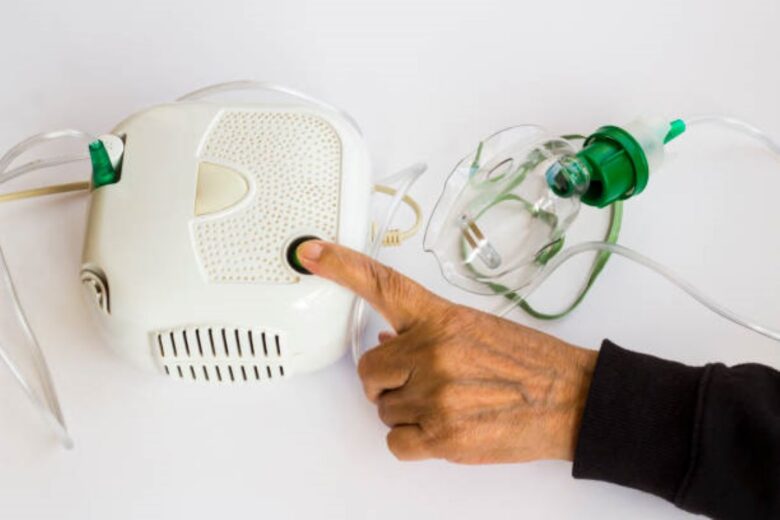
This guide explains how they work at home, what the key parts do, and what to watch for day to day.
What is a home oxygen concentrator system?
A home concentrator oxygen is a medical device that produces oxygen-enriched air from ambient air. Instead of storing oxygen in a tank, it concentrates oxygen on demand and supplies it continuously or in pulses, depending on the model.
Most systems include the concentrator unit, tubing, a nasal cannula or mask, and often a humidifier bottle.
How do concentrator oxygen systems pull oxygen from room air?
They start by drawing room air through an intake filter to reduce dust and particles. An internal compressor then pushes the air into a separation system that removes nitrogen.
The result is a stream of concentrated oxygen that is regulated to a prescribed flow rate before it reaches the user.
What does “PSA” mean and why does it matter?
Most home concentrators use Pressure Swing Adsorption (PSA). PSA relies on a material called zeolite that preferentially adsorbs nitrogen when air is pressurized.
They alternate pressure between two sieve beds so one bed captures nitrogen while the other regenerates and releases it. This cycling is what makes a concentrator able to produce oxygen continuously without refilling.
What are the main parts inside a concentrator and what do they do?
They typically contain an intake filter, compressor, heat exchanger, sieve beds (zeolite canisters), valves, an oxygen reservoir, sensors, and a flow meter. Each component supports either air movement, nitrogen separation, or safe delivery.
If any one part degrades, performance can drop, so alarms and routine maintenance are important.
How do they control oxygen flow for home use?
They deliver oxygen at a set rate, often measured in liters per minute (LPM). The flow setting is prescribed by a clinician and is adjusted on the device using a dial or digital controls.
Some devices provide continuous flow, while others provide pulse dose that delivers oxygen when they detect inhalation. A clinician determines which mode fits the prescription and lifestyle.
How do they maintain oxygen purity and trigger alarms?
They commonly use oxygen sensors and internal diagnostics to monitor purity, pressure, and temperature. If purity drops below a threshold, or if airflow is blocked, they may trigger visual and audible alarms.
They also alert for power loss, overheating, low pressure, or service needs. Users should treat alarms as safety signals, not inconveniences.
What does a typical home setup look like?
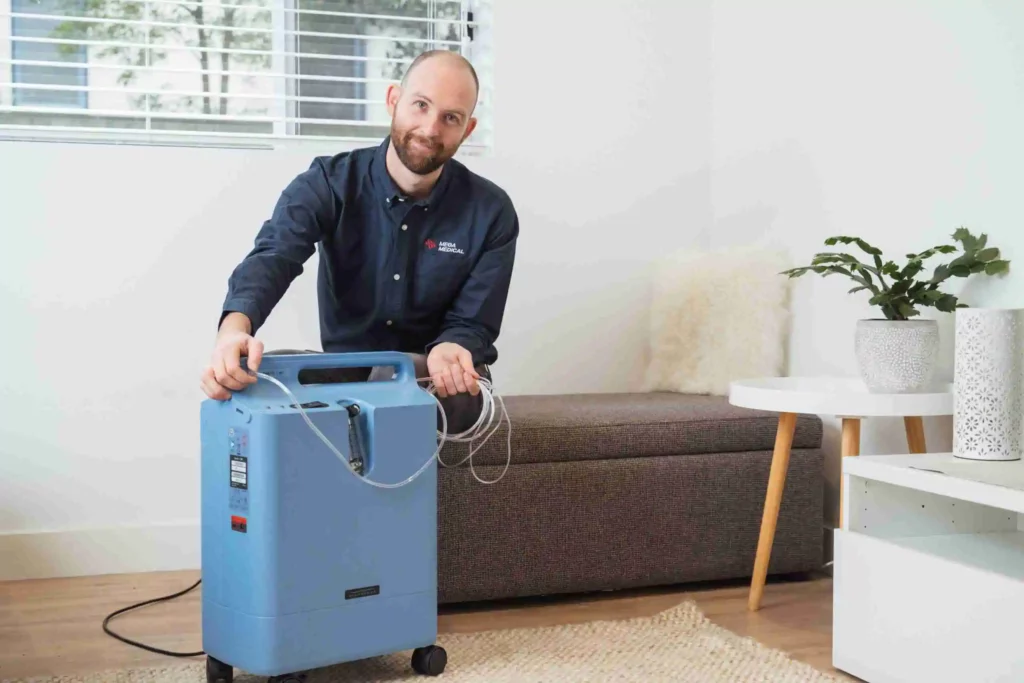
They usually place the concentrator in a well-ventilated room with several inches of clearance on all sides. Tubing runs from the outlet to the cannula, and a humidifier bottle may be attached if dryness is an issue.
Many households also keep a backup oxygen source, such as a small cylinder, in case of a power outage or device failure, based on clinical guidance.
Other Resources : Home oxygen therapy factsheet
What day-to-day maintenance do they usually require?
They often need simple, consistent upkeep. External filters may need weekly cleaning or replacement on a schedule, and the humidifier bottle should be cleaned and refilled with appropriate water as directed.
Tubing and cannulas are replaced periodically for hygiene and performance. If the device has a removable intake filter, keeping it clean is one of the easiest ways to protect oxygen output.
What safety rules matter most at home?
They should keep the device away from open flames, smoking, and heat sources because oxygen-enriched environments increase fire risk. They also avoid using petroleum-based lotions near the cannula area, following clinical and manufacturer instructions.
They should plug the unit directly into a wall outlet when possible, keep cords in good condition, and avoid blocking vents. Good ventilation helps prevent overheating and improves reliability.
How can they tell if a concentrator is meeting their needs?
They rely on the prescription and clinical follow-up, not guesswork. If symptoms worsen, alarms occur, or the prescribed flow no longer seems effective, they contact their clinician or equipment provider.
A provider can check device performance, confirm settings, and evaluate whether a different flow range, continuous delivery, or an alternate system is needed for safety and comfort.
More to Read : Oxygen Generator for Home: Who Actually Needs One?
FAQs (Frequently Asked Questions)
What is a home oxygen concentrator system and how does it work?
A home oxygen concentrator is a medical device that produces oxygen-enriched air from ambient room air. It works by drawing in air, removing most of the nitrogen through a process called Pressure Swing Adsorption (PSA), and delivering concentrated oxygen to the user continuously or in pulses via a nasal cannula or mask.
What are the main components inside a home oxygen concentrator and their functions?
Key parts include an intake filter that removes dust, a compressor that pushes air into the system, sieve beds filled with zeolite to adsorb nitrogen, valves to control airflow, an oxygen reservoir, sensors to monitor purity and pressure, and a flow meter to regulate delivery. Each part ensures effective nitrogen separation and safe oxygen delivery.
How is oxygen flow controlled in home concentrator systems?
Oxygen flow is controlled by settings prescribed by a clinician, typically measured in liters per minute (LPM). Users adjust flow using dials or digital controls. Devices may provide continuous flow or pulse dose delivery, which delivers oxygen only during inhalation based on individual needs and lifestyle.
What safety precautions should users follow when using home oxygen concentrators?
Users should keep the concentrator away from open flames, smoking areas, and heat sources due to increased fire risk from oxygen-enriched air. Avoid petroleum-based lotions near the cannula area, plug units directly into wall outlets, maintain cords properly, avoid blocking vents, and ensure good ventilation to prevent overheating and maintain device reliability.
What routine maintenance is required for home oxygen concentrators?
Routine maintenance includes weekly cleaning or replacement of external filters, regular cleaning and refilling of humidifier bottles with appropriate water if used, and periodic replacement of tubing and nasal cannulas for hygiene. Keeping removable intake filters clean helps protect oxygen output and device performance.
How can users tell if their home oxygen concentrator is functioning properly?
The device uses sensors to monitor oxygen purity, pressure, and temperature; alarms will sound if levels drop below safety thresholds or if airflow is blocked. Users should treat alarms seriously. Additionally, clinical follow-up ensures prescribed flow rates remain effective; worsening symptoms or frequent alarms warrant contacting healthcare providers for evaluation.