
What Are the Benefits of an At-Home Sleep Study?
At-home sleep studies provide a practical, cost-effective way to diagnose obstructive sleep apnea without leaving your bedroom. These tests have gained significant traction as a reliable alternative to traditional lab-based studies, allowing patients to undergo sleep apnea diagnosis in familiar surroundings.
The primary at-home sleep study benefits center on three core advantages that address common barriers to seeking diagnosis:
- Convenience: No need to travel to a sleep center or adjust your schedule around lab availability. You receive the equipment, use it at home, and return it for analysis.
- Affordability: Costs typically range from $150 to $500, substantially less than in-lab polysomnography which can exceed $1,000 or more.
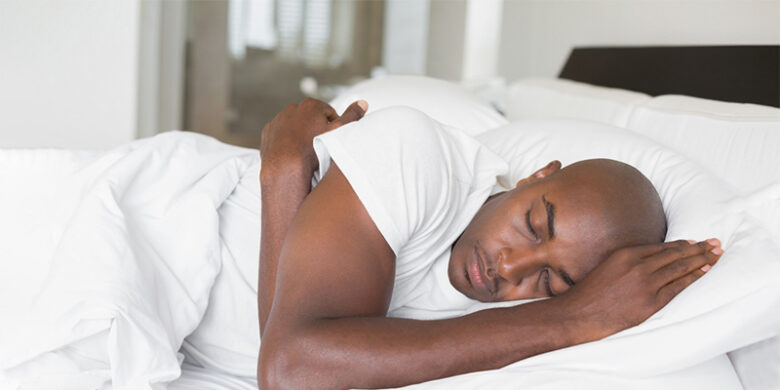
- Comfort: Sleeping in your own bed with your regular routine eliminates the stress and artificial environment of a clinical setting.
For individuals suspecting they have OSA—characterized by loud snoring, breathing pauses during sleep, or excessive daytime fatigue—at-home testing removes traditional obstacles to diagnosis. The equipment is straightforward to use, requiring minimal setup while still capturing essential data about breathing patterns, oxygen levels, and heart rate throughout the night.
Wait times for a home sleep study Perth are considerably shorter than lab appointments, which can stretch weeks or months depending on facility availability. This expedited process means faster access to treatment if sleep apnea is confirmed, reducing the health risks associated with untreated OSA such as cardiovascular complications and chronic fatigue.
How Does an At-Home Sleep Study Work?
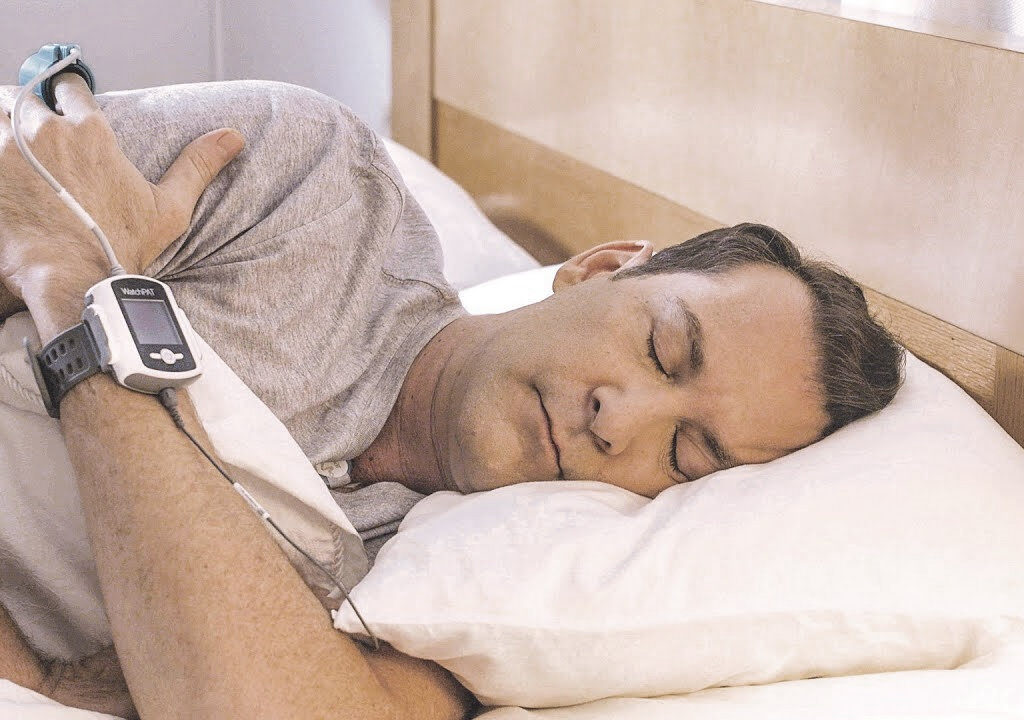
The home sleep test process begins when your healthcare provider prescribes the study and a testing device is shipped directly to your home. You’ll receive a compact kit containing specialized sensors designed to track specific physiological markers while you sleep in your own bed.
The Equipment You’ll Use
The sleep study technology includes several key components that work together to capture your breathing and body responses:
- Nasal cannula or airflow sensor: A small tube that sits beneath your nostrils to measure breathing patterns and detect pauses in airflow
- Pulse oximeter: A clip-style sensor attached to your fingertip that monitors blood oxygen saturation levels throughout the night
- Effort belts: Elastic bands worn around your chest and abdomen to track breathing effort and detect respiratory events
- Microphone or acoustic sensor: Records snoring sounds and their intensity
- Heart rate monitor: Tracks cardiac rhythm and any irregularities related to breathing disruptions
Setting Up Your Test
Most devices come with straightforward instructions and video tutorials. You’ll attach each sensor to the designated body location before bed, typically taking 10-15 minutes to complete the setup. The equipment records data automatically throughout the night without requiring any interaction once you’ve fallen asleep.
What Happens to Your Data
After completing the test (usually one to two nights), you’ll return the device using a prepaid shipping label. Board-certified sleep specialists then analyze the recorded information, examining patterns in your breathing, oxygen levels, heart rate, and snoring episodes. They look specifically for indicators of obstructive sleep apnea, such as repeated breathing interruptions, oxygen desaturation events, and the frequency of apnea-hypopnea episodes per hour.
The analysis typically takes 3-7 business days, after which your physician receives a detailed report with diagnostic findings and treatment recommendations based on the severity of any detected sleep-disordered breathing.
What Sets At-Home Sleep Studies Apart from Traditional Lab-Based Studies?
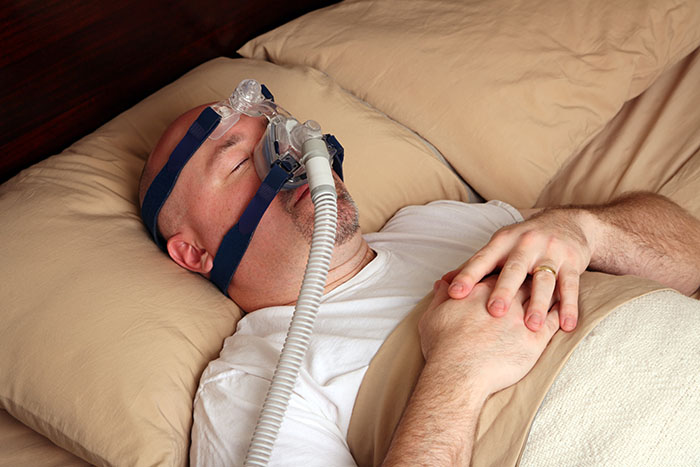
The main difference between a lab sleep study and a home test is how much data they collect. At-home tests look at 3-4 things—usually airflow, blood oxygen, heart rate, and breathing effort. In-lab polysomnography looks at 10-20 things at the same time, such as brain waves, eye movements, muscle activity, leg movements, and body position throughout the night.
Measurement Capabilities
At-home tests are great at finding breathing problems but can’t tell you how long you actually slept. The devices record data all the time, whether you’re asleep or just lying there awake. This limitation means the apnea-hypopnea index (AHI) calculated from home tests may underestimate severity since it includes total recording time instead of just sleep time.
Laboratory polysomnography can tell the difference between different stages of sleep:
- REM sleep (when OSA often gets worse)
- Light sleep (stages N1 and N2)
- Deep sleep (stage N3)
- Wake periods throughout the night
This detailed information helps specialists understand how sleep disorders affect different parts of your sleep.
Conditions Requiring Lab-Based Diagnosis
Some sleep disorders need the thorough monitoring that only in-lab studies can provide. Narcolepsy requires multiple sleep latency testing (MSLT) the day after an overnight polysomnography, which measures how quickly you fall asleep during scheduled nap times. At-home equipment can’t do this specific test.
Periodic limb movement disorder needs leg muscle sensors (electromyography) to count involuntary movements while you sleep. Home tests don’t have these sensors, so they can’t detect this disorder outside of a lab.
Central sleep apnea is also tricky to diagnose with home testing. While devices can pick up on pauses in breathing, they can’t tell if it’s an obstructive event (blocked airway with continued breathing effort) or a central event (when the brain fails to signal breathing).
Who Should Consider an At-Home Sleep Study?
At-home sleep studies work best for adults showing classic signs of moderate to severe obstructive sleep apnea without complicating medical conditions. If you snore loudly, experience frequent breathing pauses during sleep, wake up gasping for air, and feel excessively tired during the day, you likely meet the eligibility for home sleep test criteria.
Ideal Candidates for Home Testing
The typical profile includes individuals between 18 and 65 years old who exhibit straightforward OSA symptoms. Patient suitability criteria focus on those who:
- Experience loud, chronic snoring reported by a bed partner
- Have witnessed breathing pauses during sleep
- Wake up frequently feeling short of breath
- Suffer from excessive daytime sleepiness despite adequate time in bed
- Have a body mass index (BMI) indicating overweight or obesity
- Show no signs of other sleep disorders beyond suspected OSA
Health Factors That May Disqualify You
Certain medical conditions require the comprehensive monitoring only available in a lab setting. You may not be suitable for an at-home sleep study if you have:
Cardiovascular complications such as congestive heart failure, severe coronary artery disease, or uncontrolled hypertension. These conditions need continuous monitoring that home equipment cannot provide.
Respiratory disorders including chronic obstructive pulmonary disease (COPD), severe asthma, or neuromuscular diseases affecting breathing. The limited sensors in home tests may not capture the full picture of breathing dysfunction in these cases.
Neurological conditions like Parkinson’s disease, previous stroke, or epilepsy. These disorders can affect sleep architecture in ways that require brain wave monitoring unavailable in home testing.
When Multiple Sleep Disorders Are Suspected
Individuals experiencing symptoms beyond typical OSA patterns need more extensive evaluation. If you have unexplained daytime sleepiness combined with sudden muscle weakness (cataplexy), vivid dreams upon falling asleep, or sleep paralysis, these suggest narcolepsy rather than simple sleep apnea.
Restless legs syndrome, periodic limb movements, or unusual behaviors during sleep also fall outside the scope of home testing. The sensors used at home cannot detect leg movements or capture
What Are the Potential Challenges and Limitations of At-Home Sleep Studies?
At-home sleep studies cannot capture the complete picture of your sleep health. These tests focus primarily on detecting obstructive sleep apnea through respiratory measurements, leaving gaps in understanding other sleep-related conditions that might be affecting your rest.
Why Do At-Home Tests Struggle with Mild OSA Cases?
The limitations of home sleep tests become most apparent when dealing with mild sleep apnea. At-home devices may underestimate the severity of mild OSA cases by 20-30% compared to lab-based studies. This happens because home tests calculate apnea-hypopnea index (AHI) based on total recording time rather than actual sleep time, potentially diluting the true frequency of breathing disruptions.
Patients with borderline symptoms often receive false negative results. The equipment might miss subtle breathing pauses or shallow breathing episodes that a comprehensive lab study would detect. Accuracy concerns in mild OSA cases stem from the reduced number of sensors and the absence of trained technicians who can adjust equipment during the night if problems arise.
What Sleep Information Gets Missed at Home?
Home sleep studies cannot measure brain wave activity, which means they fail to detect:
- Sleep stage transitions and architecture
- Actual time spent asleep versus lying awake
- REM sleep behavior disorders
- Sleep-related seizures
- Periodic limb movements during sleep
The absence of EEG monitoring creates a significant blind spot. You might spend two hours awake during the night, but the device continues recording, potentially showing fewer apnea events per hour than actually occur during sleep.
How Do Technical Issues Affect Results?
Equipment malfunctions happen more frequently without a sleep technician present. Sensors can shift position during the night, adhesive patches may loosen, and nasal cannulas might become dislodged. These technical problems can result in incomplete data collection, requiring patients to repeat the study.
The quality of recorded data depends heavily on proper self-application of sensors. Studies show that approximately 10-15% of at-home sleep tests yield insufficient data for diagnosis, compared to less than 3% of in-lab studies where technicians ensure proper sensor placement throughout the night.
Additionally, it’s important to note that while at-home sleep studies offer convenience, they are not a one-size-fits-all solution and should be considered as part of a broader diagnostic process involving professional medical guidance.
How Do Insurance and Cost Factors Influence Access to At-Home Sleep Studies?
At-home sleep studies typically cost between $150 and $500, making them significantly more affordable than traditional lab-based polysomnography, which can range from $1,000 to $3,000 or more. This substantial price difference removes a major financial barrier for individuals who suspect they have obstructive sleep apnea but might otherwise delay seeking diagnosis due to cost concerns.
The cost range for at-home studies varies based on several factors:
- Geographic location and regional healthcare pricing
- The specific equipment and technology used
- Whether interpretation by a board-certified sleep specialist is included
- Additional follow-up consultations or report delivery methods
Most private insurance plans now provide insurance coverage for home sleep test services when medically necessary. Insurance companies recognize these tests as valid diagnostic tools for obstructive sleep apnea, particularly when ordered by a physician. Medicare also covers at-home sleep studies under specific circumstances, requiring documentation of OSA symptoms and a physician’s prescription.
Insurance acceptance depends on meeting certain criteria. Patients typically need:
- A referral or prescription from their primary care physician or specialist
- Documentation of symptoms consistent with moderate to severe OSA
- No significant comorbid conditions that would require in-lab monitoring
- Use of an approved testing device and accredited sleep center for analysis
Many insurance providers require pre-authorization before approving coverage for at-home sleep testing. This process involves submitting medical documentation that justifies the test’s necessity. Patients should verify their specific plan’s requirements, as out-of-pocket costs can vary dramatically based on deductibles, copayments, and whether the testing facility is in-network.
Self-pay options have become increasingly accessible for those without insurance or with high-deductible plans. Several companies offer direct-to-consumer at-home sleep testing services at competitive rates, though patients should confirm whether their results will be accepted by their healthcare provider for treatment decisions.
The affordability factor extends beyond the initial test cost. At-home studies eliminate expenses associated with overnight facility stays, such as parking fees, time off work, and potential childcare arrangements. These hidden costs can add hundreds of dollars to the total expense of traditional sleep studies.
When Might an In-Lab Sleep Study Be Necessary Instead?
An in-lab sleep study becomes necessary when symptoms point to complex sleep disorders beyond obstructive sleep apnea. If you experience excessive daytime sleepiness, sudden muscle weakness triggered by emotions, or vivid hallucinations while falling asleep, these indications for lab sleep study suggest narcolepsy requires comprehensive polysomnography monitoring.
Patients with inconclusive home test results need the detailed analysis only a sleep laboratory provides. Home devices may fail to capture sufficient data due to technical issues, or results might fall into borderline ranges requiring verification through more sophisticated equipment.
Complex Sleep Disorders Requiring Lab Testing
Several conditions demand the comprehensive monitoring capabilities of an in-lab environment:
- Periodic limb movement disorder: Requires leg sensors and video monitoring to capture involuntary movements throughout the night
- REM sleep behavior disorder: Needs brain wave monitoring to identify abnormal muscle activity during REM sleep
- Central sleep apnea: Distinguishes between obstructive and central breathing pauses through detailed respiratory effort measurements
- Insomnia with suspected underlying disorders: Combines sleep architecture analysis with behavioral observations
When Symptoms Suggest Multiple Conditions
Your sleep specialist may recommend lab testing if you report symptoms spanning multiple disorders. Restless legs syndrome combined with breathing difficulties, or severe snoring alongside unexplained nighttime awakenings, requires the simultaneous monitoring of brain waves, eye movements, muscle activity, and cardiac rhythms that only polysomnography offers.
Patients with significant cardiovascular disease, neuromuscular disorders, or chronic respiratory conditions often need the medical supervision and comprehensive data collection available in sleep laboratories. The controlled environment allows technicians to adjust equipment immediately and ensure accurate readings throughout the night.
Failed CPAP Therapy Requiring Investigation
When continuous positive airway pressure therapy fails to resolve symptoms despite proper equipment use, an in-lab study helps identify whether other sleep disorders contribute to ongoing problems. The detailed sleep staging data reveals whether breathing events occur during specific sleep phases or if alternative treatments might prove more effective.
Are You Ready to Try an At-Home Sleep Study?
If you’re experiencing symptoms like loud snoring, daytime fatigue, or gasping during sleep, an at-home sleep study offers a practical first step toward diagnosis. This testing method removes common barriers that prevent people from seeking help for suspected obstructive sleep apnea.
The summary benefits at-home sleep study options provide make them accessible to a wider range of patients. You can complete the test on your own schedule without taking time off work or arranging overnight childcare. The familiar environment of your bedroom often leads to more natural sleep patterns compared to the clinical atmosphere of a sleep lab.
Cost considerations shouldn’t prevent you from addressing potential sleep disorders. At-home studies typically range from $150 to $500, significantly less than traditional polysomnography. Most insurance plans now cover these tests when medically necessary, making them financially viable for many households.
Discover the Benefits of an At-Home Sleep Study Today by consulting with your healthcare provider about whether this option suits your situation. They can evaluate your symptoms, medical history, and risk factors to determine if you’re a good candidate for home-based testing.
The process is straightforward:
- Schedule a consultation with a sleep specialist or your primary care physician
- Receive the testing equipment with clear instructions
- Wear the sensors for one or two nights at home
- Return the device for data analysis
- Review results with your doctor to discuss treatment options
Taking action now can lead to better sleep quality, improved energy levels, and reduced health risks associated with untreated OSA. The convenience and comfort of at-home testing eliminate many excuses for delaying diagnosis. Your path to restorative sleep might be simpler than you imagined.