Sleep testing Canberra residents once endured meant uncomfortable overnight stays in clinical labs, tangled in wires and sensors. That experience is rapidly becoming obsolete as at-home diagnostics transform how patients approach sleep disorders diagnosis.
Sleep Testing Canberra is transforming how patients approach sleep disorders diagnosis.
The shift toward home-based testing reflects a broader healthcare evolution where patient comfort meets clinical accuracy. Canberra patients now access sophisticated diagnostic tools without leaving their bedrooms, using compact devices that monitor critical sleep metrics throughout the night—an important advancement in Sleep Testing Canberra services.
This preference stems from three compelling factors:
- Convenience – no travel, no overnight facility stays
- Comfort – sleeping in familiar surroundings produces more natural results
- Accessibility – direct access without GP referrals or lengthy wait times
Local pharmacies and specialized clinics across Canberra have responded by making these diagnostic services readily available, often with bulk-billing options for eligible patients. The technology captures the same essential data as traditional lab studies while eliminating the clinical environment that many find disruptive to normal sleep patterns, making Sleep Testing Canberra a practical and patient-friendly option.
What Are At-Home Sleep Diagnostics and How Do They Work?
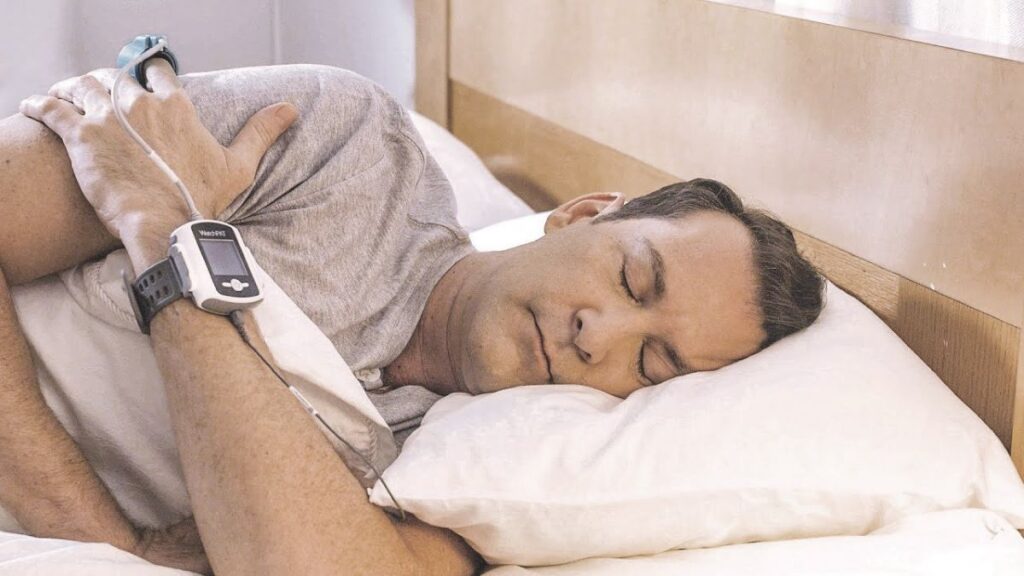
At-home sleep tests use compact, non-invasive sleep study devices that patients wear overnight in their own beds. These sleep monitoring devices typically attach to the forehead or finger using simple sensors, eliminating the need for complex wiring systems found in traditional sleep laboratories.
The technology captures critical physiological data throughout the night:
- Blood oxygen saturation levels to detect breathing interruptions
- Brain activity patterns indicating sleep stages and quality
- Heart rate variations revealing cardiac responses during sleep
- Respiratory effort and airflow measuring breathing patterns
How Traditional Sleep Studies Work
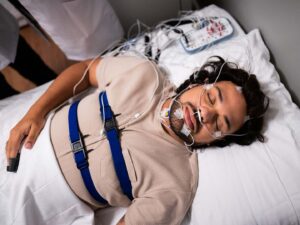
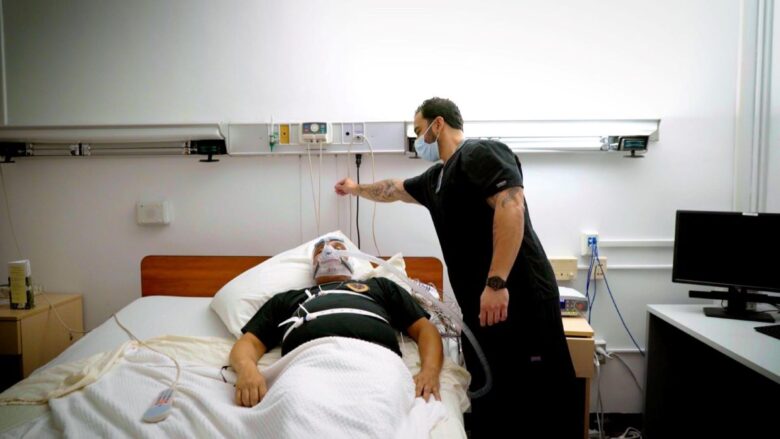
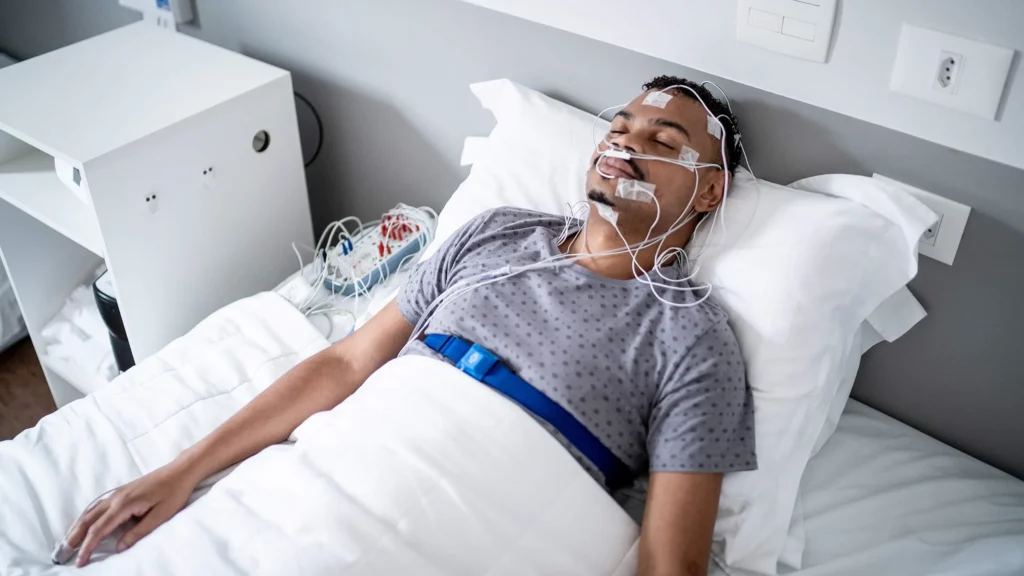
Traditional in-lab polysomnography requires patients to sleep in unfamiliar clinical settings while connected to numerous electrodes and wires. Staff members monitor patients throughout the night, creating an environment that rarely resembles normal sleep conditions. The experience often feels clinical and uncomfortable, potentially affecting sleep quality and test accuracy.
How At-Home Sleep Tests Work
At-home sleep tests transform this experience by allowing patients to maintain their regular bedtime routines. The devices are designed for self-application with straightforward instructions, requiring no technical expertise. Most units are small enough to fit in a pocket, with sensors that attach using gentle adhesive patches or comfortable bands.
The simplified setup means patients can complete testing without disrupting their daily schedules or spending nights away from home. Data collection happens automatically, with devices storing information for later analysis by sleep specialists.
Why Are Canberra Patients Choosing At-Home Sleep Testing Over Traditional Methods?
The convenience of home testing has transformed how Canberra residents approach sleep disorder diagnosis. Patients can complete their sleep study in their own bed, maintaining their regular nighttime routine without the stress of unfamiliar environments.
Patient comfort ranks as a primary driver for this shift. Traditional sleep laboratories require patients to sleep in clinical settings surrounded by monitoring equipment and technicians. Home testing eliminates this discomfort entirely—no strange rooms, no observation cameras, and no need to adjust to an institutional atmosphere during what should be a restful night.
The physical setup presents another stark contrast. Lab-based studies involve:
- Multiple electrode attachments across the scalp and body
- Chest and abdominal belts
- Nasal airflow sensors
- Leg movement monitors
- Oximetry probes
Home devices reduce this to a single forehead-mounted sensor, dramatically improving sleep quality during testing.
Accessibility of sleep tests Canberra patients now enjoy extends beyond physical comfort. The removal of GP referral requirements means individuals can self-initiate testing when they recognize symptoms like chronic snoring or daytime fatigue. This direct access pathway reduces wait times and administrative barriers, allowing faster diagnosis and treatment initiation for those experiencing sleep disturbances.
How Can Patients Obtain and Use At-Home Sleep Testing Equipment in Canberra?
Obtaining sleep test kits in Canberra requires no GP referral—patients can walk directly into participating local pharmacies and clinics. Capital Chemist locations across Canberra stock these devices, as do specialized providers like Sleep Solutions Australia and Sleep & Lifestyle Clinic, where trained staff provide the equipment and detailed instructions for use.
The pickup process takes approximately 10-15 minutes. Staff members explain how the compact device works and demonstrate proper placement. Most systems consist of a small forehead sensor that monitors multiple sleep parameters simultaneously, eliminating the complexity of traditional multi-wire setups.
Using the device overnight follows these straightforward steps:
- Attach the sensor to your forehead before bedtime using the provided adhesive strips
- Press the power button to activate monitoring
- Sleep normally in your own bed without restrictions on movement or sleeping position
- Remove the device upon waking and power it off
The device automatically records data throughout the night, capturing oxygen levels, breathing patterns, heart rate, and brain activity. No technical expertise is required—the equipment is designed for single-use simplicity. Patients receive a carry case and return instructions along with the device, ensuring they understand both usage and the subsequent data submission process.
What Happens After Completing an At-Home Sleep Test?
How do patients submit their sleep study data?
Patients have two convenient options for submitting their overnight sleep data. Most modern devices connect to a data upload app that automatically transmits results to the clinic once the test completes. The app typically requires a simple smartphone connection, allowing the device to sync results within minutes. Patients who prefer traditional methods can return the physical device to the pharmacy or clinic where they collected it, with staff handling the data extraction.
Who reviews the sleep test results?
Specialist sleep doctors conduct the specialist review of all submitted data, examining oxygen saturation levels, breathing patterns, heart rate variations, and brain activity throughout the night. These physicians work remotely, analyzing results from their consulting rooms without requiring patients to attend in-person appointments. The diagnostic process after testing usually takes 3-5 business days, depending on the provider’s workload and the complexity of the case.
What information do patients receive?
The reviewing specialist prepares a detailed report outlining any detected sleep disorders, their severity, and recommended treatment pathways. Patients receive this report via email or through the provider’s secure patient portal. Many Canberra clinics also schedule brief telehealth consultations to explain findings and answer questions about the diagnosis.
How Are Sleep Disorders Like Sleep Apnoea Treated After Diagnosis in Canberra?
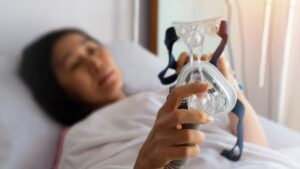
CPAP therapy stands as the most widely prescribed sleep apnoea treatment Canberra specialists recommend. This treatment involves wearing a mask connected to a machine that delivers continuous air pressure, keeping airways open throughout the night. The device prevents the breathing interruptions characteristic of sleep apnoea, allowing patients to achieve restorative sleep.
Canberra patients benefit from immediate access to CPAP machines and related equipment through multiple local treatment options. Specialized clinics like Sleep Solutions Australia stock various mask styles and machine models to suit individual preferences and comfort needs. Capital Chemist locations across Canberra also provide CPAP equipment, making it convenient for patients to collect their prescribed devices close to home.
Treatment typically begins with a trial period where patients test different mask types:
- Nasal masks covering only the nose
- Full-face masks for mouth breathers
- Nasal pillow masks offering minimal contact
Sleep specialists in Canberra provide ongoing support through follow-up consultations, adjusting pressure settings and equipment as needed. Many providers offer maintenance services, replacement parts, and cleaning supplies to ensure therapy remains effective. Patients can access these services without lengthy wait times, receiving their treatment equipment within days of diagnosis rather than waiting weeks for hospital-based programs. Read more about understanding Hobart sleep study cost and the factors that affect what you’ll pay.
Are There Cost Benefits or Bulk-Billing Options for At-Home Sleep Testing in Canberra?
Bulk billing sleep tests Canberra providers offer make at-home diagnostics financially accessible for many patients. Several local clinics and pharmacies provide Medicare-eligible services at no out-of-pocket cost for those who qualify, removing financial barriers that might otherwise delay diagnosis.
The affordability of diagnostics has transformed who can access sleep disorder testing. Traditional in-lab polysomnography studies typically cost between $800 and $2,000 without insurance coverage. At-home testing through bulk-billed providers eliminates these expenses entirely for eligible patients, including those with valid Medicare cards and chronic disease management plans.
Healthcare costs associated with undiagnosed sleep apnoea—including increased risk of cardiovascular disease, workplace accidents, and reduced productivity—far exceed the investment in early testing. Accessible home testing options help patients identify problems before they escalate into more serious health conditions requiring expensive interventions.
Eligible patients can access bulk-billed services through:
- Capital Chemist locations offering Medicare-compliant testing
- Sleep Solutions Australia for qualifying referrals
- Sleep & Lifestyle Clinic with appropriate healthcare plans
Patients without bulk-billing eligibility still benefit from reduced costs compared to traditional lab studies. Most at-home tests range from $150 to $400, representing significant savings while maintaining diagnostic accuracy. This pricing structure makes The Rise of At-Home Diagnostics: Sleep Testing Canberra Patients Now Prefer a financially sustainable option for households across different income levels.
What Is the Future Outlook for At-Home Sleep Diagnostics in Canberra?
The future of at-home sleep diagnostics in Canberra looks promising, with several trends and advancements on the horizon.
1. Technological Advancements
Future trends at-home diagnostics point toward significant technological advancement in sleep testing capabilities. Artificial intelligence integration is already beginning to improve data analysis accuracy, allowing for more precise identification of sleep disorders without human interpretation delays. Wearable technology continues to evolve, with newer devices becoming smaller, less intrusive, and capable of monitoring additional health metrics simultaneously.
2. User-Friendly Devices
Advances in sleep testing technology are making devices more user-friendly for Canberra patients. Next-generation sensors can now detect subtle breathing pattern changes and blood oxygen fluctuations with medical-grade precision while remaining comfortable enough for natural sleep. Some emerging devices eliminate the need for any physical attachment, using contactless monitoring through radar or radio frequency technology placed on bedside tables.
3. Reshaping Service Delivery
Patient demand is reshaping service delivery across Canberra’s healthcare landscape. The preference for home-based testing has prompted more pharmacies and clinics to expand their diagnostic offerings, creating wider availability throughout suburban areas. Telehealth integration with at-home testing creates seamless pathways from diagnosis to treatment consultation, reducing wait times that traditionally plagued sleep medicine.
4. Real-Time Monitoring
Data security improvements and cloud-based platforms are enabling real-time monitoring capabilities, where specialists can review sleep patterns as they occur. This immediate feedback loop allows for faster intervention when critical issues are detected, transforming sleep diagnostics from a delayed process into an responsive healthcare service that adapts to individual patient needs.
5. Emphasis on Sleep Hygiene
With increasing awareness about the importance of sleep hygiene, there is a growing trend towards integrating lifestyle coaching into at-home sleep diagnostics. This approach not only focuses on identifying sleep disorders but also provides guidance on improving overall sleep quality through behavioral changes and environmental adjustments. Such a holistic approach is expected to yield better long-term outcomes for patients.
In conclusion, the future of at-home sleep diagnostics in Canberra is poised for significant transformation driven by technological advancements and changing patient expectations. As we embrace these changes, it will be essential to ensure that privacy and data security remain paramount in this evolving landscape.
Conclusion
The Rise of At-Home Diagnostics: Sleep Testing Canberra Patients Now Prefer reflects a fundamental shift in healthcare delivery. If you’re experiencing symptoms like chronic snoring, daytime fatigue, or interrupted breathing during sleep, at-home testing provides an accessible first step toward diagnosis and treatment.
The benefits of at-home sleep testing extend beyond mere convenience—they represent genuine patient empowerment Canberra residents are embracing. You control when and where testing occurs, eliminating the anxiety associated with unfamiliar clinical environments. The simplified process removes traditional barriers like GP referrals and lengthy waiting lists.
Taking action starts with a simple conversation at your local pharmacy or specialized sleep clinic. The equipment is straightforward, the process is painless, and results arrive quickly for specialist review. With bulk-billing options available for eligible patients, cost needn’t prevent you from seeking answers about your sleep health. Your journey toward better sleep and improved wellbeing begins with one night of home testing.