
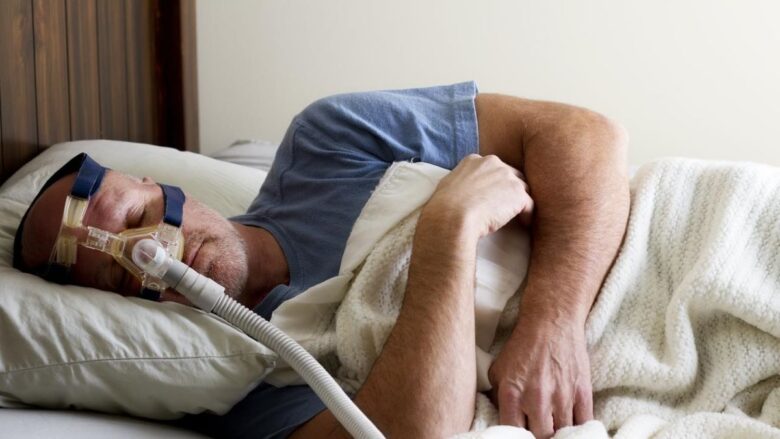
What Are Sleep Studies and Why Are They Important in Hobart?
Sleep studies in Hobart are tests that monitor your sleep patterns to identify disorders like sleep apnea, insomnia, and restless leg syndrome. These tests track important information such as brain activity, breathing patterns, oxygen levels, and body movements throughout the night.
The importance of sleep studies becomes clear when considering the serious health risks of untreated sleep disorders. Sleep apnea, caused by upper-airway collapse during sleep, leads to disrupted rest and increases your risk of:
- Diabetes and high blood pressure
- Strokes and heart attacks
- Atrial fibrillation
- Dementia and depression
- Motor vehicle accidents due to daytime fatigue
Understanding Hobart sleep study cost helps you plan for this essential diagnostic tool without financial surprises. Prices vary significantly based on the type of test, facility, and your insurance coverage. Making informed decisions about sleep studies means weighing the investment against the potential health consequences of leaving sleep disorders undiagnosed and untreated.
What Types of Sleep Studies Can They Choose From in Hobart?
Hobart residents have two primary options when seeking sleep disorder diagnosis: in-lab polysomnography and home sleep apnea testing. Each method serves different needs and budgets.
1. In-lab polysomnography
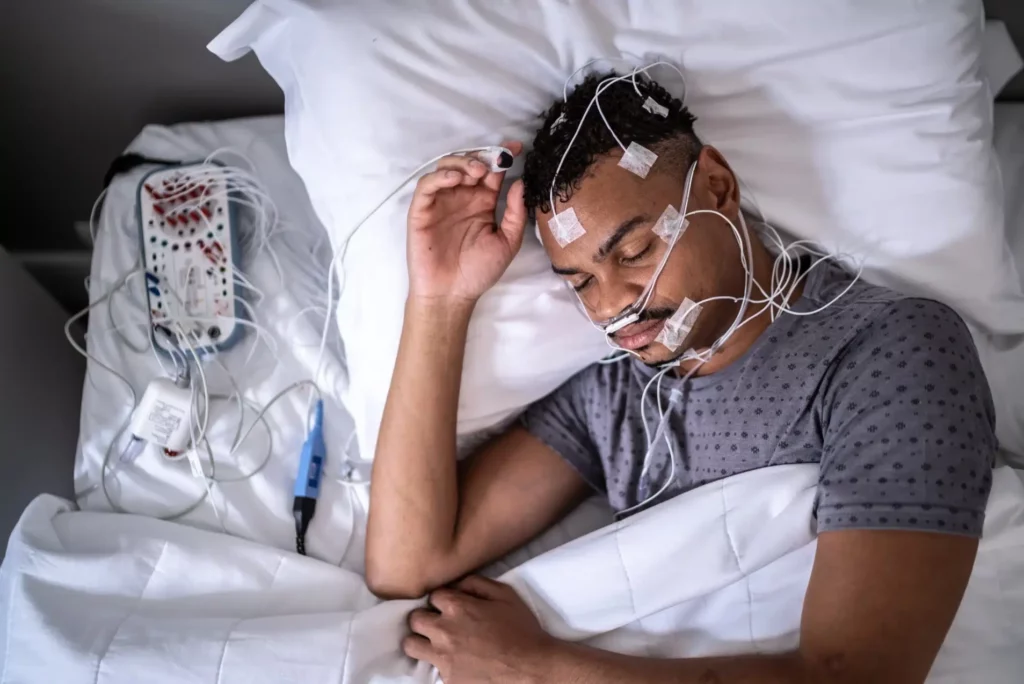
In-lab polysomnography represents the gold standard for sleep disorder diagnosis. This comprehensive overnight study takes place at a dedicated sleep facility where patients stay for the night while connected to sophisticated monitoring equipment. The technology tracks multiple physiological parameters simultaneously:
- Brain wave activity (EEG)
- Eye movements
- Heart rate and rhythm
- Blood oxygen saturation levels
- Breathing patterns and airflow
- Muscle activity and limb movements
- Body position throughout the night
Trained sleep technologists monitor patients throughout the entire study, adjusting equipment as needed and observing any unusual patterns. This level of detail makes in-lab polysomnography particularly valuable for diagnosing complex sleep disorders beyond sleep apnea, including restless leg syndrome, narcolepsy, and parasomnias.
2. Home sleep apnea testing
Home sleep apnea testing offers a more accessible alternative for those with suspected obstructive sleep apnea. These portable devices focus on essential metrics rather than comprehensive monitoring. Patients collect the equipment, follow simple setup instructions, and sleep in their own beds while the device records:
- Oxygen levels
- Breathing patterns
- Heart rate
- Sleep position
- Snoring intensity
This streamlined approach works best for individuals showing clear signs of mild to moderate sleep apnea without complicating factors. The familiar home environment can sometimes provide more natural sleep patterns compared to a clinical setting. Qualified sleep physicians review the collected data and provide clinical recommendations based on the findings, making home testing a practical choice for straightforward cases.
How Much Do They Need To Budget For Sleep Studies In Hobart?
The cost of sleep studies Hobart varies significantly depending on which testing method patients select. Budget planning becomes easier once individuals understand the typical price ranges for each option available in Tasmania.
In-lab polysomnography
In-lab polysomnography represents the higher end of the investment spectrum. The in-lab sleep study price typically ranges from AUD 1,000 to AUD 3,000 for a single overnight session. This comprehensive testing includes sophisticated monitoring equipment, dedicated facility space, and trained technicians who observe patients throughout the night. The price reflects the extensive data collection process, which tracks brain waves, eye movements, heart rate, breathing patterns, oxygen saturation, and muscle activity simultaneously.
Home-based sleep studies
Home-based sleep studies offer a more budget-friendly alternative for Hobart residents. The home sleep study price Tasmania patients can expect falls between AUD 300 to AUD 800. This lower cost reflects the simplified nature of the equipment and the absence of facility overhead expenses. Patients rent portable monitoring devices that record essential sleep metrics in their own bedrooms.
Factors contributing to the price difference
The price difference between these two options reaches up to AUD 2,200 in some cases. Several factors contribute to this gap:
- Equipment complexity: In-lab facilities use hospital-grade monitoring systems versus simplified home devices
- Professional supervision: Overnight technician monitoring adds to in-lab costs
- Facility expenses: Room accommodation, utilities, and maintenance increase overhead
- Data analysis depth: In-lab studies generate more comprehensive reports requiring extensive interpretation
Patients should note these figures represent out-of-pocket expenses before insurance coverage or Medicare rebates. The actual amount paid often decreases substantially when health insurance benefits or government subsidies apply to eligible individuals seeking diagnosis for suspected sleep disorders.
What Factors Can Influence The Cost Of A Sleep Study In Hobart?
The choice between in-lab polysomnography and home testing creates the most significant price variation, with facility-based studies costing three to ten times more than home alternatives. In-lab studies require specialized equipment, trained technicians monitoring throughout the night, and dedicated sleep center facilities, which explains the AUD 1,000 to AUD 3,000 price tag compared to the simpler home testing setup.
Insurance coverage Hobart residents receive depends heavily on their specific policy and the type of study recommended. Private health insurance may provide partial or full coverage for in-lab polysomnography if patients hold appropriate extras or hospital cover, though waiting periods and annual limits often apply. Some insurers impose stricter requirements for home studies or exclude them entirely from coverage.
Medicare eligibility criteria play a crucial role in determining out-of-pocket expenses for Hobart patients. Home sleep apnea tests may qualify for Medicare rebates when specific screening questionnaires—such as the Epworth Sleepiness Scale or STOPBANG assessment—indicate moderate to high risk for sleep apnea. Patients must meet threshold scores on these validated tools to access subsidized testing.
Additional factors affecting sleep study cost include:
- The facility’s location and reputation within Hobart
- Whether follow-up titration studies for CPAP therapy are needed
- Ancillary services like psychological or nutritional assessments
- Specialist consultation fees for result interpretation
Are There Any Benefits Or Limitations To Consider With Home-Based Sleep Studies In Hobart?
Home-based sleep studies offer distinct advantages that make them appealing for many patients in Hobart. The primary benefits limitations home-based sleep studies Hobart patients notice include sleeping in their own bed, which often produces more natural sleep patterns than an unfamiliar clinical environment.
Key advantages include:
- Lower costs ranging from AUD 300 to AUD 800 compared to in-lab alternatives
- No overnight facility stays required, eliminating travel and accommodation concerns
- Flexible scheduling that fits around work and family commitments
- Familiar environment that may reduce anxiety and sleep disruption
The equipment rental process is straightforward. Patients receive a compact device that monitors essential parameters like oxygen levels, breathing patterns, and body movements. Setup instructions are simple enough for most people to manage independently.
However, home testing does have notable constraints. The devices capture fewer data points than comprehensive polysomnography equipment used in clinical settings. In-lab studies monitor:
- Brain wave activity (EEG)
- Eye movements
- Muscle tone
- Heart rhythm variations
- Leg movements
- Multiple breathing channels
Home devices typically track only 3-4 channels of information. This reduced monitoring means subtle sleep disorders or complex conditions might go undetected. Patients with suspected central sleep apnea, periodic limb movement disorder, or narcolepsy generally require the detailed analysis only in-lab studies provide. Technical issues with home equipment can also compromise data quality without immediate professional assistance available.
Why Is It Important For Them To Have A Follow-Up Consultation After A Sleep Study In Hobart?
The importance follow-up consultation post-sleep study Hobart lies in translating raw data into actionable treatment plans. A qualified sleep physician reviews the recorded information—whether from in-lab polysomnography or home testing—and explains what the results mean for the patient’s specific health situation. This interpretation goes beyond simply identifying sleep apnea; physicians assess the severity, frequency of breathing interruptions, oxygen level drops, and how these patterns correlate with reported symptoms.
During this consultation, patients receive personalized recommendations based on their test findings. Treatment options might include:
- CPAP therapy with specific pressure settings tailored to individual needs
- Lifestyle modifications addressing weight management or sleep position
- Oral appliance therapy for mild to moderate cases
- Surgical interventions in severe anatomical obstruction cases
The consultation also addresses questions about equipment use, insurance claims, and ongoing monitoring requirements. Sleep physicians can identify whether additional testing is needed, such as CPAP titration studies to determine optimal pressure settings. Without this professional interpretation, patients may misunderstand their results or delay necessary treatment, allowing sleep apnea to continue damaging cardiovascular health, cognitive function, and daily energy levels. The consultation transforms diagnostic data into a clear roadmap for improving sleep quality and reducing long-term health risks. You may like to visit https://sunshineoriginals.com/the-rise-of-at-home-diagnostics-sleep-testing-canberra-patients-now-prefer/ to get about the rise of at-home diagnostics: sleep testing Canberra patients now prefer.
How Can Patients Decide Between An In-Lab And Home Sleep Study In Hobart Based On Their Circumstances?
What symptoms should guide your choice between testing options?
Patients experiencing severe symptoms like excessive daytime sleepiness, witnessed breathing pauses, or multiple risk factors typically require in-lab polysomnography for comprehensive assessment. Those with mild to moderate symptoms may find home testing sufficient for initial diagnosis.
Which practical factors matter when choosing between in-lab home sleep study Hobart options?
Consider these key elements:
- Budget constraints: Home studies cost AUD 300-800 versus AUD 1,000-3,000 for in-lab testing
- Schedule flexibility: Home testing allows completion on your timeline without overnight facility stays
- Mobility concerns: Patients with limited mobility may prefer home-based convenience
- Suspected condition complexity: Multiple sleep disorders or comorbid conditions often necessitate in-lab monitoring
Does insurance coverage affect your decision?
Medicare eligibility criteria differ between study types. Understanding Hobart Sleep Study Cost and the Factors That Affect What You’ll Pay includes verifying which option your insurance covers before committing to testing.
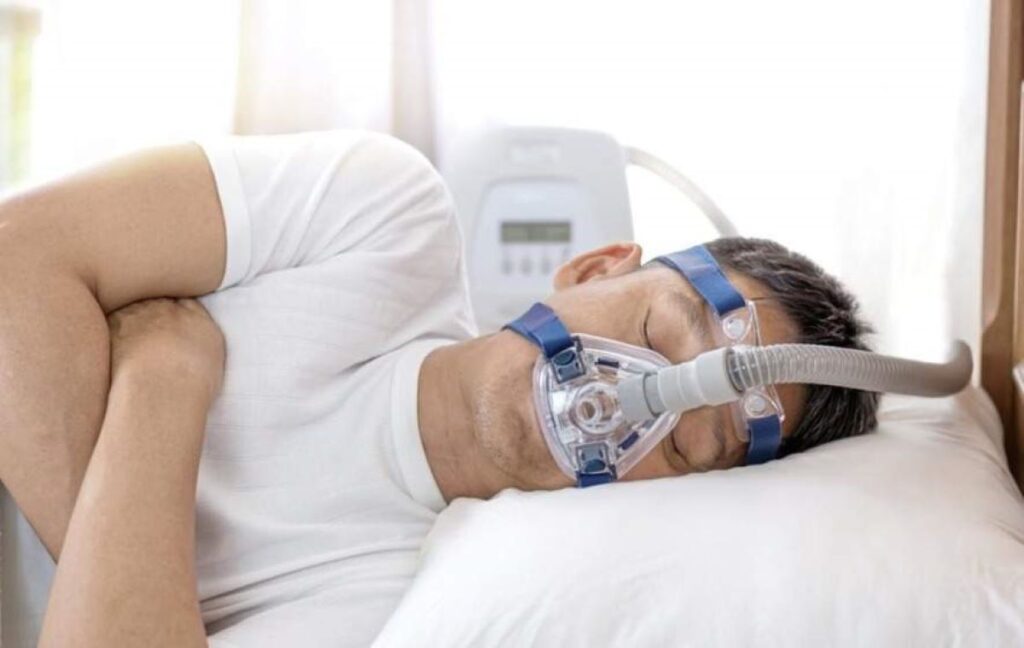
Investing In Their Sleep Health: A Final Thought On The Costs Of Sleep Studies In Hobart And The Importance Of Seeking Diagnosis For Sleep Disorders Like Apnea
Is the cost of a sleep study worth the investment in long-term health?
Understanding Hobart Sleep Study Cost and the Factors That Affect What You’ll Pay reveals that proper diagnosis delivers value beyond the initial expense. Untreated sleep apnea increases risks of diabetes, heart attacks, strokes, and dementia—conditions that carry far greater financial and personal costs than diagnostic testing.
The price difference between home studies (AUD 300-800) and in-lab testing (AUD 1,000-3,000) reflects varying levels of diagnostic detail. Both options provide pathways to treatment that can dramatically improve quality of life. Medicare coverage and private health insurance can reduce out-of-pocket expenses, making professional diagnosis more accessible.
Investing in sleep health conclusion: delaying diagnosis allows dangerous conditions to progress silently. The comprehensive data from sleep studies enables physicians to recommend targeted treatments like CPAP therapy or lifestyle modifications. This proactive approach prevents serious complications while restoring restorative sleep patterns that support physical health, mental clarity, and daily functioning.